What Homeowners Should Do to Prevent Water Problems After a Blizzard
After a massive blizzard, most people are focused on digging out, getting back on the road, and catching up from the storm. But once the snow starts melting, another problem can show up fast: water.
A big snowstorm can leave a lot of moisture sitting around your home. As temperatures rise, that snow and ice have to go somewhere. If water starts collecting near your foundation, basement windows, or drains, it can quickly turn into a costly mess.
The good news is there are several simple things homeowners can do right now to help protect their property.
“After a storm like this, being proactive really matters,” said Nick Arnoldy, owner/broker of Marshfield Insurance. “You may not be able to add flood coverage immediately because of the waiting period, but there are still important steps you can take to help prevent water damage.”
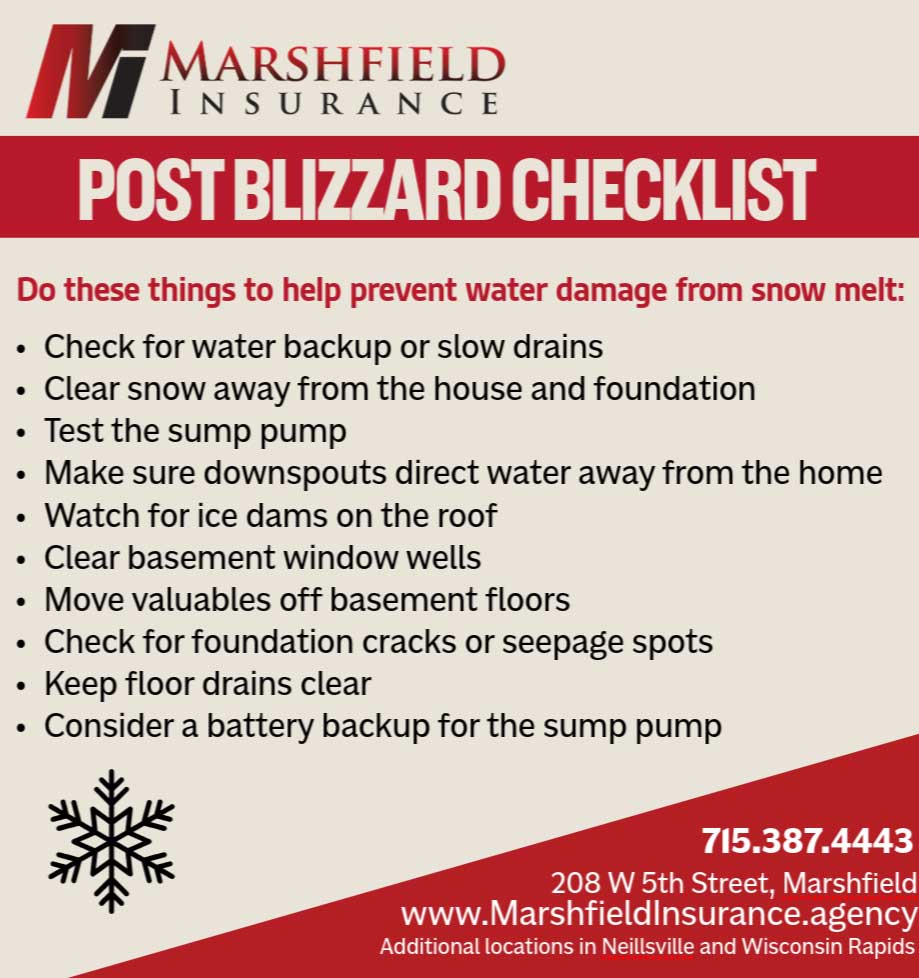
Here are a few of the biggest things to focus on after a blizzard:
1. Check for water backup issues
Start by looking for signs that water is not draining the way it should. Slow-moving floor drains, standing water near drains, or unusual smells in the basement can all be warning signs. If melting snow puts extra pressure on your drainage system, small issues can become bigger ones.
2. Clear snow away from your house
Snow packed up against your home can be a problem once it starts to melt. Try to move it away from the foundation so water is less likely to collect near your basement walls. Pay extra attention to areas around basement windows, window wells, doors, and anything that slopes back toward the house.
3. Test your sump pump
Your sump pump can be one of your home’s best defenses against water intrusion. Make sure it is working properly before the heavy melting begins. Pouring a bucket of water into the sump pit is one easy way to see if it kicks on like it should. It is also smart to make sure you have a battery backup in case the power goes out.
4. Check gutters and downspouts
When gutters are blocked by ice, snow, or debris, water can spill over and pool right next to your foundation. Make sure downspouts are clear and pushing water several feet away from your home if possible.
5. Watch for ice dams
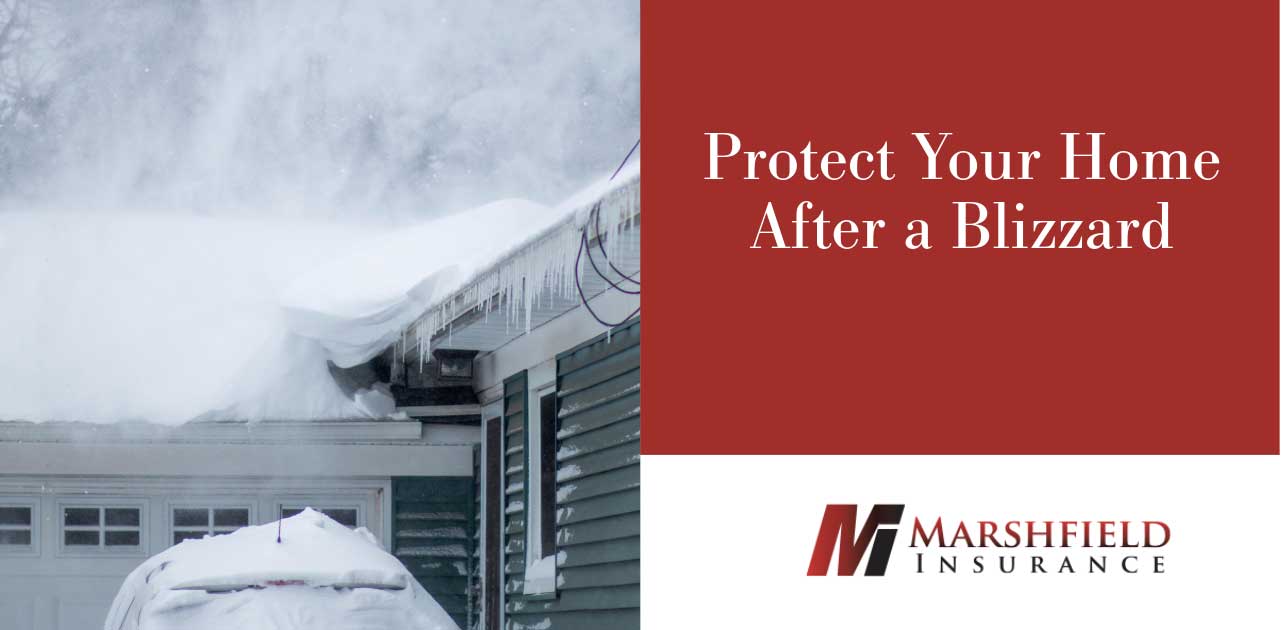
Ice dams can form when melting snow refreezes near the edge of the roof. That trapped water can work its way under shingles and into your home. If you notice large icicles, water stains, or dripping near ceilings and walls, it is worth taking a closer look.
6. Clear basement window wells and lower-level entry points
These are easy places for melting snow to collect. If water builds up there, it can seep inside. Keeping those areas clear can help reduce the chance of leaks.
7. Move valuables off the basement floor
If your basement has had moisture issues before, now is a good time to move boxes, important papers, furniture, and valuables up off the floor. Even a small amount of water can cause a lot of damage.
8. Look for trouble spots around the foundation
Walk around your home and check for cracks, low spots, or places where water naturally pools. Those are often the first places where problems show up during a thaw.
Nick says the key is not to wait until there is already water in the basement.
“Water damage can happen quickly during snowmelt,” he said. “Taking a few simple steps now can make a big difference in protecting your home.”
A blizzard may be over, but the risk of water issues can continue long after the snowfall stops. A little prevention now can help you avoid bigger headaches later.